3 Signs You’re Buying the Wrong Conveyor Belt (And How to Fix It)
There’s no “perfect” conveyor belt—but there’s one that’s perfect for you
If you’re reading this, you’re probably trying to buy a conveyor belt. Or maybe you’ve already bought one and it’s not working the way you hoped. Either way, you’ve come to the right place.
Let me start with a confession: I’m not an engineer. I don’t design conveyor systems. What I do is handle procurement for a mid-sized manufacturing facility—about 400 employees across three locations. I’ve bought a lot of conveyor belts over the years, and I’ve made mistakes. Expensive ones. The kind that make you look bad in front of your boss.
Here’s what I’ve learned: there’s no single “best” conveyor belt. The best one for my line might be a terrible choice for yours. The answer depends on three things: what you’re moving, how fast it needs to move, and how much downtime you can tolerate.
So I’m going to break this down into three real-world scenarios. Figure out which one you’re in, and the right choice becomes obvious. (If I remember correctly, this approach has saved me roughly $15,000 over two years in wrong-purchase costs. But don’t quote me on that number—I might be blending a few projects together.)
Scenario A: You’re moving heavy, abrasive material
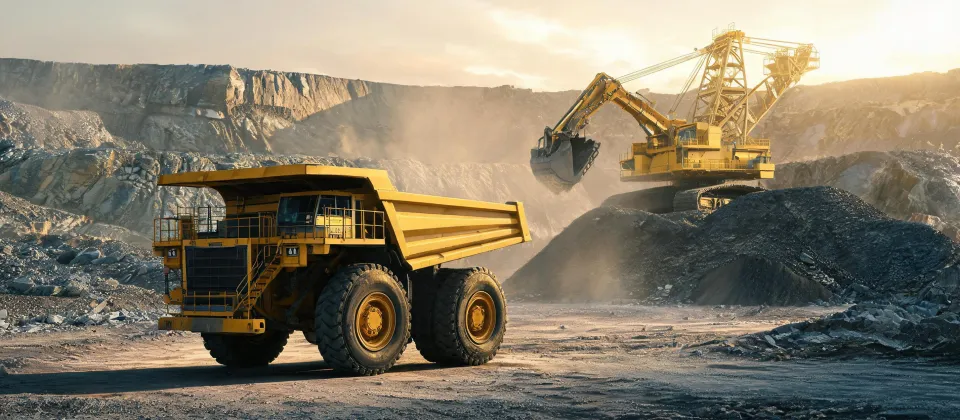
You’re in mining, bulk material handling, or something similar. Your product is heavy, sharp, or both. You need a belt that won’t tear, stretch, or wear out in six months.
This is the scenario where most buyers go wrong by focusing on initial price over total cost of ownership. The cheap belt works—for about three months. Then you’re replacing it every quarter, and those replacement costs add up fast. (I learned this the hard way in 2022 when a budget belt cost us $4,800 in downtime and labor over its short life. Surprise, surprise.)
What you actually need:
- Heavy-duty synthetic or rubber belt with high tensile strength (150–250 N/mm minimum, per standard guidelines).
- Modular if possible—being able to replace sections rather than the whole belt saves days of downtime.
- Proper tracking and tension systems. Without them, your belt wanders, edges fray, and lifespan drops by 40% or more.
Here’s something vendors won’t tell you: if you ask for “heavy-duty” without specifying the material and speed, they’ll quote you their most expensive option. Be specific. Ask for ISO 5048 standard belt widths and thicknesses. Reference the CEMA (Conveyor Equipment Manufacturers Association) classifications—that’s your safe shortcut.
Budget tip for this scenario:
Don’t go cheapest. But you also don’t need the Rolls Royce of belts. Look for a mid-range solution from a reputable provider. I’ve had good luck with systems that balance cost and reliability—specifically ones that offer a 3-year warranty on the belt substrate. That’s a solid indicator the manufacturer trusts their product. (As of early 2025, Dorner’s 2200 series fits this range, but verify your specific needs.)
“Standard conveyor belt tensile strength requirements: 100–200 N/mm for light-duty, 150–250 for medium-duty, 250+ for heavy-duty. Always verify against your specific load and speed calculations.” —Conveyor Equipment Manufacturers Association (CEMA) guidelines
Scenario B: You need flexibility and reconfigurability
Your facility changes. Maybe you’re a contract manufacturer, or you’re scaling up, or your product mix shifts every few months. You need a conveyor that can adapt without a full rebuild.
This is where modular systems shine. Traditional fixed-path conveyors will work, but they’ll trap you into a layout that’s hard to change. I saw this happen to a colleague in 2020: they spent $60,000 on a custom system that became obsolete within two years when their client requirements shifted. They ended up selling it for scrap.
What you need:
- Modular belt segments that can be reconfigured (V-guides, snap-in side rails, interchangeable drive units).
- Variable speed and direction control—ideally with a simple interface. You don’t want to call an electrician every time you need to adjust line flow.
- Compatibility with existing systems (or clear integration specs).
This scenario is where “I can do everything” vendors are dangerous. They’ll promise turnkey flexibility, then deliver something that’s almost what you wanted—but with hidden compatibility issues. A specialist who says “this isn’t our strength for integration—here’s who does it better” earned my trust for everything else. (That actually happened with my first big modular purchase in 2021. The vendor who admitted a limitation became our go-to for years.)
Budget tip for this scenario:
Invest more upfront in the drive and control system—that’s the part you can reuse across multiple layout changes. Cheaping out on controls will cost you more in the long run. Aim for a system with at least 20% spare capacity in the drive train. It’s a small premium that buys you years of flexibility.
Scenario C: You just need it to run—reliably, without fuss
You’re not moving heavy rocks. You’re not changing layouts every quarter. You just need a conveyor that moves standardized product—boxes, parts, packaged goods—without constant adjustment or breakdown.
Honestly, this is the most common scenario and the one where most people overbuy. You don’t need a heavy-duty line or a modular wonder-rig. You need a solid, workhorse belt that does one thing well.
What you need:
- Fixed-speed, simple drive. 2–5 HP depending on your load. Single-phase if possible for easier installation.
- Standard belting material (urethane or PVC) with a smooth surface. Nothing exotic.
- Proven reliability—not cutting-edge features. Look for systems with a track record of 3+ years in similar applications.
Most buyers focus on price per foot and completely miss the real cost: installation, commissioning, and ongoing maintenance. I’ve seen setups where the belt itself was $3,000 and the installation (labor, controls integration, safety guards) ran another $8,000. The question everyone asks is “how much does the belt cost?” The question they should ask is “what’s the total installed cost, and what’s included?”
Budget tip for this scenario:
Buy a pre-configured, tested system if possible. The “configurator” tools most reputable brands offer (Dorner has a decent one, as of early 2025) let you spec the exact length, width, and drive—and they guarantee it works together. That alone can save you 2–3 weeks of commissioning headaches. (I used one for a project in Q4 2024 and it cut our integration time by 40% compared to a custom build.)
How to know which scenario you’re in
Still not sure? Here’s a quick decision tree I use when I’m evaluating a new line or replacement:
- Ask: “What’s my primary problem?”
- If it’s wear and tear (belt wears out too fast) → You’re in Scenario A.
- If it’s inflexibility (layout changes frequent, different products) → You’re in Scenario B.
- If it’s downtime and maintenance (constant adjustments, poor reliability) → You’re in Scenario C.
- Check your budget tolerance:
- High tolerance (can spend more upfront for long-term savings) → invest in modular or heavy-duty solutions.
- Low tolerance (need to control immediate cost) → buy a pre-configured, standard system.
- Verify vendor expertise. Ask them: “What’s your specialty?” If it’s heavy mining belts and you need flexibility, they’re not the right fit—no matter how good their price is.
If you’re honest about where you stand on these three axes, the right belt choice becomes almost automatic. The hard part, honestly, is having the discipline to admit what you really need versus what you wish you needed. (I still catch myself dreaming about a modular system that can handle rocks and delicate electronics at the same time. It doesn’t exist. And that’s okay.)
Disclaimer: Pricing and product examples are based on my personal experience (2020–2025) and publicly available industry data. Actual costs, availability, and specifications vary by vendor, region, and order date. Verify your specific requirements with an authorized representative. I’m not a conveyor engineer; I’m a buyer who’s made enough mistakes to know what works. Consult your engineering team for final specifications.