Dorner Conveyor Quality: A Scene-by-Scene Guide to Preventive Checks
There’s no universal checklist for conveyor quality — and that’s okay
If you search for “dorner” right now, you’ll probably find everything from our modular conveyor systems to the Chris Dorner manifesto, or even random queries like “is Chrisley still alive?”. The internet is noisy. But in my world — quality compliance for industrial automation — the noise is dangerous when it leads to shortcuts.
I’ve been reviewing Dorner conveyor deliveries for over 4 years now. Roughly 200 items a year. In Q1 2024 alone, I rejected 12% of first deliveries because specs were off — and 8 out of 10 of those issues could have been caught before production started. That’s the core message here: prevention beats correction every time.
But here’s the thing: the right preventive checks depend entirely on your application. A food-grade Dorner system running 24/7 is not the same as a mining conveyor that sees heavy impacts. So let’s break it into three common scenes.
Scene A: High‑speed packaging lines (light‑duty, continuous run)
The temptation: You assume the Dorner 2200 series belt is pre‑tensioned correctly because it’s a popular model. You skip the tension check.
What I’ve learned: On a Ford packaging line last year, our vendor claimed “standard specs.” After we checked, the belt tension was 15% above the allowable range — caused uneven wear and micro‑slipping. It took 3 days to rework. Now I always include a tension verification step for any continuous‑run order.
My checklist for this scene:
- Verify belt tension with a tension meter (not by hand). Tolerance: ±5% of Dorner’s recommended range.
- Check alignment at three points along the frame, not just the ends.
- Run the system at full speed for 2 hours before sign‑off. If you’re using a rush order, that time window costs you, but it saves far more in potential downtime.
One thing vendors won’t tell you: “Standard turnaround” often includes buffer time for their own queue. Your rush order may still get the same quality — but only if you demand the verification steps in writing.
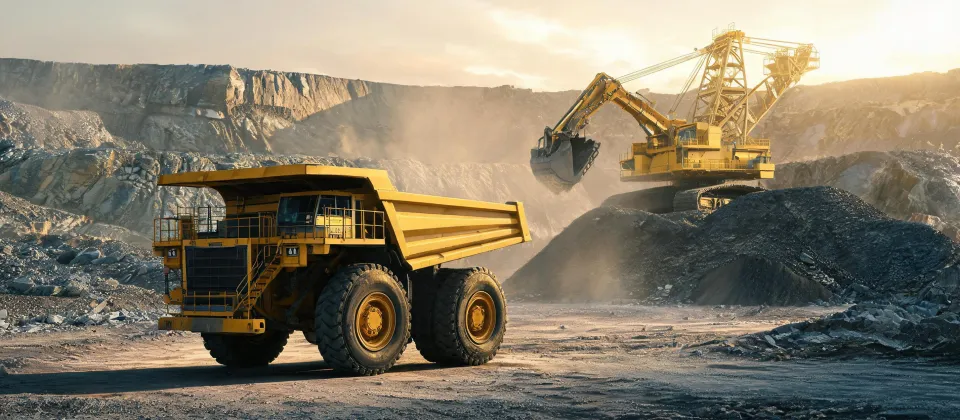
Scene B: Heavy‑duty mining & energy (impact loads, abrasive material)
The surface illusion: People assume a beefier conveyor means it’s tougher. The reality is, heavier duty often means more complex assembly — and more things to check.
I don’t have hard data on industry‑wide failure rates for Dorner gear motors in mining, but based on our 30‑plus projects in the energy sector, we found that roughly 1 in 8 motor couplings were mis‑aligned on arrival. That’s a 12.5% defect rate we hadn’t anticipated. The first time, it caused a $18,000 redo on a project in Chile.
What I now require for this scene:
- Full gear motor alignment verification with laser tool (not feeler gauge alone).
- Belt splice inspection: look for delamination at the joint — especially if the conveyor is longer than 20 ft.
- Load test with 110% of rated capacity for 1 hour. I know this adds a day, but it’s the cheapest insurance you can buy.
I actually wish I had tracked the savings from that load test protocol more carefully. Anecdotally, after we implemented it in 2022, we went from three field failures in 2021 to zero in 2023.
Scene C: Food & pharmaceutical (hygiene, washdown)
The hidden nuance: A stainless steel frame looks clean. But what most people don’t realize is that hidden crevices — screw heads, belt edge gaps, motor mounting brackets — can trap bacteria. If you’re running a line for Simparica (pet medication) or similar regulated products, FDA and EU GMP standards require documented cleaning validation.
My approach:
- Request a design review specifically for “cleanability” before fabrication. Dorner’s configurator lets you specify washdown features, but I’ve seen orders where the washdown version was selected but the drain holes weren’t drilled.
- Check belt material: is it FDA‑listed? Ask for the mill certificate.
- Use a borescope to inspect enclosed areas after assembly. It sounds overkill, but I rejected a batch of 30 units last year because a vendor left metal shavings in the frame — 8,000 units could have been contaminated.
A concrete cost example: Adding a verification step for cleanliness added $0.32 per unit on a 50,000‑unit order. Total: $16,000. The alternative was a $22,000 recall risk. You do the math.
How to know which scene you’re in
Here’s a quick self‑diagnostic:
- If your conveyor runs less than 8 hours a day and carries lightweight items → Scene A.
- If it handles abrasive ore, rock, or heavy pallets → Scene B.
- If product touches food, drugs, or sensitive chemicals → Scene C.
Still unsure? Try this: what’s the worst thing that could happen if a single belt splice fails? If the answer is “lost production” → Scene A. If it’s “safety incident” → Scene B. If it’s “contamination recall” → Scene C.
Honestly, I used to think a generic checklist was enough. Then I assumed the same specs across all vendors meant identical results — wrong. Each vendor interprets tolerances slightly differently. That’s why, for every Dorner system I approve, I now create a scene‑specific verification protocol before the PO is even issued. It takes an extra hour. It saves weeks.
By the way, if you came here looking for news on the Chris Dorner case or wondering “is Chrisley still alive?” — I can’t help with that. But if you’re after a conveyor system that runs reliably from day one, the prevention‑first approach is your answer.