Dorner Shootout: Modular, Custom, or Retrofit—A Procurement Manager's View
-
There's no universal Dorner conveyor
-
Scenario A: Your line changes constantly—modular is probably your answer
-
Scenario B: You're moving something heavy, abrasive, or hot—be careful with standard modular
-
Scenario C: You already have a line—retrofit might be smarter than replacement
-
How to know which scenario you're in
-
Not searching for conveyors?
Ask three plant managers about 'Dorner' and you'll get three different answers. Some say the modular belt line is the only way to go. Others point to custom integration. A few will tell you not to buy anything until you've mapped your total cost of ownership.
In my experience, they're all right—for their situation.
I'm a procurement manager at a 140-person industrial parts manufacturer. I've managed a materials handling budget of about $180,000 annually for six years, negotiated with dozens of vendors, and documented every order in our cost tracking system. This article breaks down the scenarios I rely on—and the questions that actually matter.
There's no universal Dorner conveyor
Here's the thing: 'Dorner' covers modular conveyors, heavy-duty lines, gear motors, and full system integration. They're not interchangeable. What was best practice in 2020—buy a standard platform, plug it in, hope it runs—may not apply in 2025. The fundamentals haven't changed: you still need reliable movement, minimal downtime, and a reasonable total cost. But the execution has transformed. Why does that matter? Because the right answer depends on your situation.
Most buyers focus on the base price and completely miss the factors that decide whether a system is cheap or expensive: integration labor, spare parts, training, downtime, and that awkward period when the new line isn't running at full speed. When I audited our 2023 spending, I found that 30% of our budget overruns came from expedite fees and integration labor, not the conveyor price itself. That's why the 'budget' option is sometimes the most expensive one.
What most people don't realize is that a quoted lead time often includes buffer time. Vendors use that buffer to manage their production queue. It doesn't necessarily mean your order will arrive later—but it's not a promise either. Ask when the factory actually ships, not just what the quote says.
Scenario A: Your line changes constantly—modular is probably your answer
If you reconfigure your line every few months, if product sizes change, or if you serve different customers with different packaging requirements, a Dorner modular system can be a no-brainer. The flexibility is the value.
Example: In Q2 2024, when we switched a packaging line from one product family to another, a modular conveyor let us change the width and drive location in an afternoon. We spent about $2,800 on a kit instead of $14,000 on a new section. Total downtime: four hours. That's a scenario where modular wins.
But modular isn't automatically cheaper. The base price is often higher than a simple fixed conveyor with the same length. You're paying for future options. If you never change the layout, that optionality is wasted money.
Advice: spec for the worst-case product you'll handle in the next 24 months, not just today's product. Buy standardized drive packages. Keep a spare drive module if you can justify the inventory cost—it makes changeovers faster.
Scenario B: You're moving something heavy, abrasive, or hot—be careful with standard modular
This is where I've seen people get hurt.
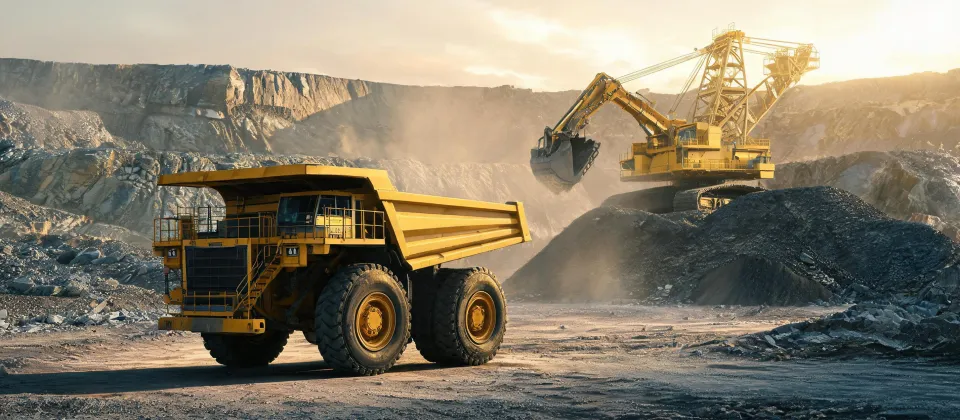
A standard modular conveyor is designed for light-to-medium goods. If you're moving dense mineral samples, steel parts, castings, or anything with rough edges, a stock unit may not be the right call. It can physically move the product, but the belt, frame, and drives may wear faster—and that's a cost problem, not just an engineering problem.
The numbers said a standard unit would handle it. My gut said the belt tracking would fight us. Gut won. A year later, I watched another department buy the 'cheap' standard conveyor for a similar heavy application. It ran for about five weeks before tracking became a daily battle. The retrofit and replacement parts cost about $1,200 more than the savings they'd gained vs. going heavier-duty from the start.
Here's something vendors won't tell you: if a vendor tells you one platform works everywhere, that's a red flag. Don't hold me to the exact percentage, but a heavier platform may cost 20–30% more upfront. It usually outlasts a standard modular platform in this application by a wide margin. If your product is over a certain weight, or your environment is dusty, abrasive, or hot, get a quote for Dorner's heavier-duty or custom engineered options. Also consider a fixed conveyor with a simpler geometry.
The question everyone asks is 'What's the price?' The question they should ask is 'What's the total cost over five years, including expected maintenance?'
Scenario C: You already have a line—retrofit might be smarter than replacement
If you have an existing Dorner line (or any conveyor line) that's slowing down or failing, the natural instinct is to replace it. That's not always right.
Sometimes a retrofit—a new drive, control panel, or belt with proper tracking—extends the line's life for a fraction of the replacement cost. In one case, we replaced the gear motor and controller on a ten-year-old line for $3,400. The line gained another five years of reliable service. Had we replaced the entire conveyor, we'd have spent $18,000 and dealt with weeks of installation and startup.
But don't assume retrofit is always the answer either. If the frame is corroded, if spare parts are impossible to find, or if the line has been patched three times already, a replacement may be lower total cost. The key is to assess the mechanical condition honestly. I've seen teams refuse to replace a machine that was beyond economic repair because 'it still runs'—until it didn't, during a peak order week.
My rule of thumb: if you've had more than two unscheduled downtime events on the same conveyor in a year, do a formal retrofit vs. replacement analysis.
How to know which scenario you're in
You don't need a consultant to figure this out. Answer three questions:
- How often does your line change? If you reconfigure quarterly or more, start with Scenario A.
- What are you actually moving? If it's heavy, abrasive, or hot, jump to Scenario B and get heavy-duty quotes.
- What's the condition of your current line? If it still has structural integrity but the electronics are failing, look at Scenario C.
If you're between scenarios, get quotes for both options and compare them using a simple TCO spreadsheet. Include purchase price, installation, spare parts, expected maintenance, and projected downtime. I once compared eight vendors over three months for a line upgrade. The cheapest base price was 40% below the most expensive. Once I added integration labor, spare parts, and projected downtime to the spreadsheet, the ranking flipped. The 'cheap' option ended up second-most expensive.
Personally, I'd rather see a buyer ask for help than sign off on a $20,000 purchase based on a ballpark quote. The good news: Dorner's configurator and your local distributor can give you real numbers quickly. Verify current pricing, because prices move.
Not searching for conveyors?
If you landed here looking for 'jamie dorner,' 'dorner shootout,' 'victoria,' 'trevor,' or 'is chrisley still alive?'—this article isn't about that. It's about Dorner conveyor systems and industrial automation. I can't help with those searches, but you'll know you're in the wrong place if the next page doesn't mention belt speed, total cost of ownership, or gear motors.
For the rest of you: the best time to map your total cost is before you issue the PO. The second-best time is now.